
Chimney Liner Cost in New Jersey (2026): Prices by Liner Type, Appliance and Height
The Short Answer
- Most installed liners: $1,500 to $5,000, and $2,500 on average (Angi, September 2026). HomeGuide's February 2026 average is $1,500 to $4,000.
- By type: stainless steel $900 to $3,800, aluminum $625 to $2,250 (gas only), clay tile $2,000 to $3,500, and cast-in-place $2,000 to $7,000 (HomeGuide).
- Replacing an old liner: $1,200 to $4,600 to take out the old one and put in new steel (HomeGuide).
- New Jersey: a liquid-applied lining inside an existing chimney needs no permit (N.J.A.C. 5:23-2.7). The code does not name inserted liners, so ask your town's construction office.
Every price on this page is a national figure quoted from the named source with its date. None of them is R&E Roofing's price.
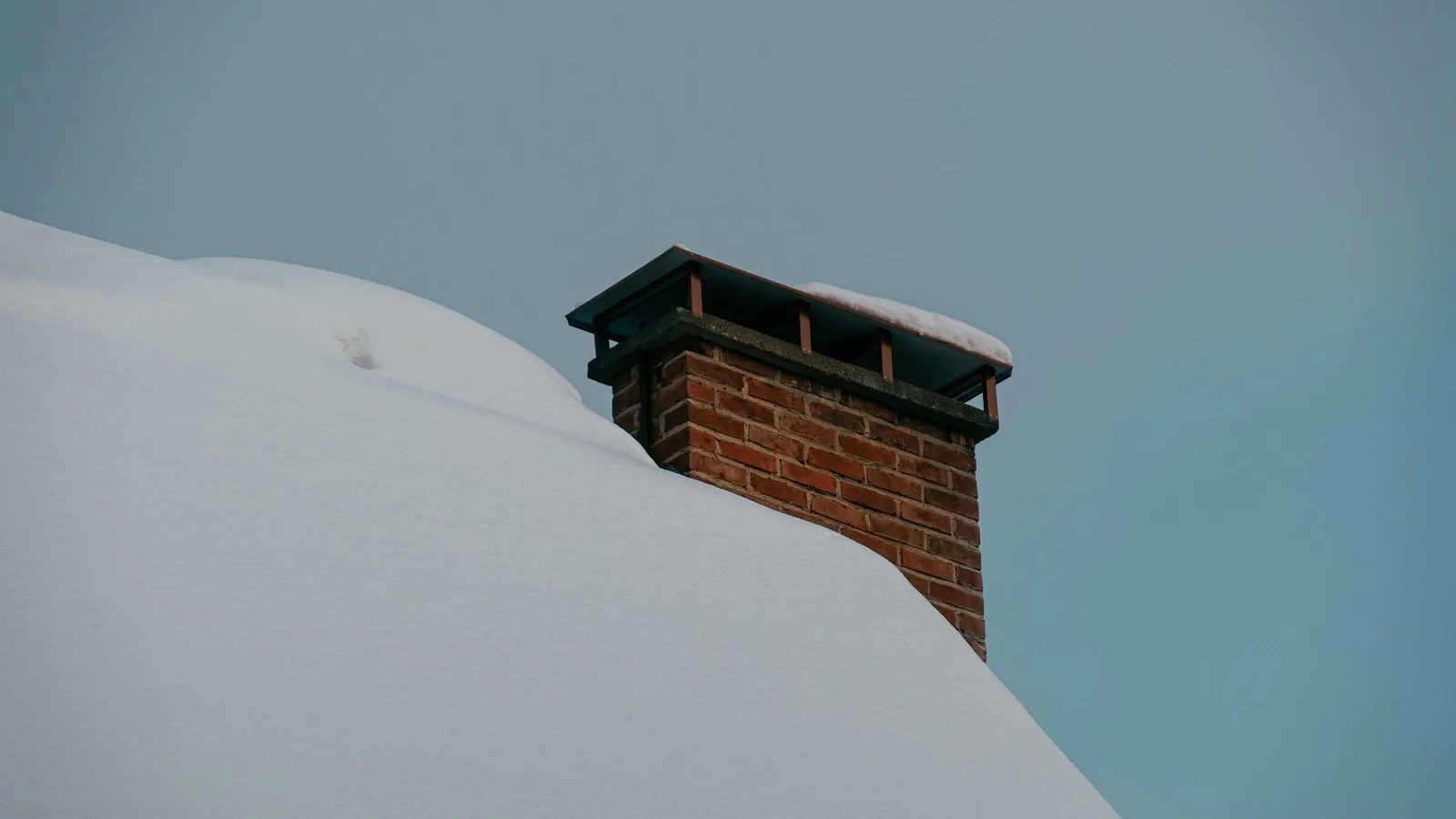
A chimney liner is the tube inside the chimney that carries smoke and exhaust up and out. HomeGuide describes it as a clay, ceramic, cement or metal conduit that also protects the masonry from heat and corrosion. HomeGuide notes that old homes might have damaged liners or no liner at all, and much of Essex County's housing is old.
This guide puts the published 2026 prices in one place, by liner type, per foot and by the appliance the chimney serves, and adds what New Jersey's code says. If the bricks, the crown or the flashing need work too, see our chimney repair page and our chimney repair cost guide for New Jersey.
Chimney Liner Cost by Type
No government agency publishes chimney liner prices, and none of the national cost guides we used gives a New Jersey figure. HomeGuide prices each liner type installed, so it leads the table. Angi and Fixr give the same picture in their own words: about $2,500 for a typical job.
Chimney liner cost by type, installed, national, as published by HomeGuide (February 2026)Swipe the table sideways to see every column.
| Liner type | Installed cost | What it is for | Lifespan |
|---|---|---|---|
| Aluminum | $625 to $2,250 | Medium-heat gas appliances only (HomeGuide; Fixr) | 5 to 15 years |
| Stainless steel | $900 to $3,800 | All fuel types: gas, oil, wood, but the alloy must match the appliance or it can corrode (HomeGuide) | 15 to 25 years |
| Ceramic coating (Thermocrete) | $1,000 to $5,000 | Sealing light damage in a sound liner; not for unlined chimneys (HomeGuide) | Up to 50 years (HomeGuide) |
| Clay or terracotta tile | $2,000 to $3,500 | Traditional in older homes; the chimney walls must be opened to replace it, and HomeGuide rates it not good for modern gas appliances (HomeGuide) | 15 to 50 years |
| Cast-in-place | $2,000 to $7,000 | Old masonry chimneys with cracked clay tile, bends or weak walls (HomeGuide) | 50 years |
Stainless steel is the usual choice. HomeGuide calls it the most common liner and says it works with every fuel type. Fixr says most homeowners pay around $2,500 for a flexible double-wall stainless liner, with $625 at the low end for a rigid single-wall aluminum liner and up to $7,000 for cast-in-place. Angi's September 2026 figure is $1,500 to $5,000 for most jobs, with labor alone at $400 to $1,250.
Sources, read October 23, 2026: HomeGuide, chimney liner cost (written February 9, 2026); Angi, chimney liner cost (updated September 21, 2026); Fixr, chimney liner installation cost (updated January 31, 2025).
Per Foot, and the Add-Ons
A liner runs the full height of the flue, so a taller chimney costs more. Most quotes also carry a few lines beyond the liner itself. These are the published figures for each.
Chimney liner prices per foot and add-ons, national, as publishedSwipe the table sideways to see every column.
| Line on the quote | Published price | Source |
|---|---|---|
| Stainless liner, single-wall, installed | $35 to $70 a foot | HomeGuide |
| Stainless liner, double-wall, installed | $50 to $160 a foot | HomeGuide |
| Insulation wrap around a steel liner | $8 to $15 a foot | HomeGuide |
| Pre-insulated stainless liner (material) | $26 to $40 a foot | HomeGuide |
| Taking out an old steel liner | $250 to $800 | HomeGuide |
| Taking out old clay tiles | $500 to $2,500 | HomeGuide |
| Inspection and cleaning before the job | $150 to $250; a Level 2 camera inspection $100 to $600 | HomeGuide |
| Chimney inspection / chimney sweep | About $450 / about $255 | Angi |
| Labor alone, steel or aluminum liner | $500 to $1,500 | HomeGuide; Fixr |
| Labor alone, cast-in-place | $800 to $3,000 | HomeGuide |
| Permit and its inspection | $100 to $150 or more | HomeGuide (national) |
HomeGuide says a chimney needs cleaning and a Level 2 camera inspection before a liner goes in. If you already had one, ask whether it counts. Angi notes that when the inspection shows the liner must be replaced, the inspection is usually not a separate budget item. A new top plate and cap are often part of the job; our chimney cap cost guide has the published cap prices.
Rough Out a Stainless Steel Reline
Pick the liner wall and the chimney height, and add the two add-ons that change the bill most. The tool multiplies HomeGuide's installed price per foot.
Rough out a stainless steel reline
Uses HomeGuide's published national installed prices per foot (February 2026). Not a quote, and not R&E Roofing's price.
Liner wall
$35 to $70 a foot installed
Chimney height
From the appliance to the top of the chimney
- Single-wall stainless liner, 25 ft installed
- $875 to $1,750
- National published range
- $875 to $1,750
Not included: the camera inspection and cleaning before the job, a new cap or top plate, crown or brick repairs, and any permit fee. Each is listed in the add-ons table above.
Cost by What the Chimney Serves
The appliance at the bottom of the chimney decides which liners are allowed, and that sets the price. Angi's material table lists stainless steel and cast-in-place for wood and gas, clay for wood, and aluminum for gas only.
Which liners fit which appliance, with the published installed range (HomeGuide, February 2026)Swipe the table sideways to see every column.
| Appliance | Liners that fit | Published range |
|---|---|---|
| Gas furnace or gas water heater | Aluminum is allowed for medium-heat gas appliances; stainless steel works too. | Aluminum $625 to $2,250; stainless $900 to $3,800 |
| Oil boiler or furnace | Stainless steel. Aluminum is gas only. | Stainless $900 to $3,800 |
| Wood stove or fireplace insert | Stainless steel, and HomeGuide says fire codes require insulation when burning solid fuel. | Stainless $900 to $3,800, plus $8 to $15 a foot for insulation |
| Open wood-burning fireplace | Stainless steel, cast-in-place or clay tile (Angi). HomeGuide says the liner is fixed to a base plate and mortared in place at the firebox. | Stainless $900 to $3,800; cast-in-place $2,000 to $7,000 |
HomeGuide says gas or electric inserts typically do not need a liner, because they do not make enough heat to damage the masonry. Every other case depends on the chimney's size and condition, which is what the inspection is for.
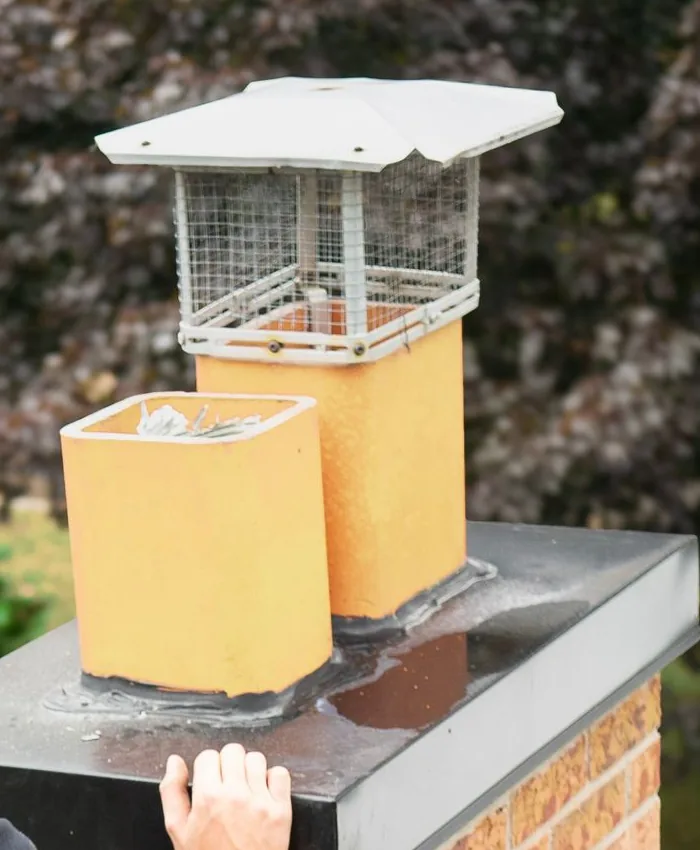
An open fireplace usually costs the most to line. Rockford Chimney Supply, a liner retailer, says lining a chimney for a wood stove, furnace, boiler or water heater costs much less than for a traditional open fireplace, which can also need smoke chamber parging, a new damper or firebrick repair. It puts the average for a traditional fireplace at around $2,500 to $7,000, and says that, depending on the liner type, a lined chimney can cost up to $10,000. The same guide notes that stainless liners come in two common grades (304L, which should only be used for wood-burning stoves, and 316Ti, approved for just about any masonry relining), so ask which grade a quote includes.
Affordable Chimney Sweeps, a Massachusetts chimney company, lists why a fireplace liner costs more than a heating-system liner: it is a longer, heavier-duty system built for high-heat wood fires, the connection at the firebox often means taking part of it apart and rebuilding it, the liner usually has to be insulated, and the chimney may need cleaning or repair before the liner can go in.
Sources, read October 23, 2026: HomeGuide; Fixr; Angi; Rockford Chimney Supply (July 19, 2023); Affordable Chimney Sweeps (June 27, 2025).
After a Furnace Swap: The Orphaned Water Heater
This is the liner question most Essex County homeowners never see coming. Gas heats most homes here: 72.1% of occupied homes in Essex County use utility gas, and 70.0% in Orange (Census Bureau, ACS 2020-2024). In many older houses the furnace and the gas water heater share one masonry chimney.
The Minnesota Department of Commerce explains what happens next. When a new high-efficiency furnace goes in, its exhaust leaves through a plastic pipe in the wall. The old water heater is left alone in the chimney, "orphaned", and may not create enough draft to pull its exhaust all the way out, which raises the risk of dangerous backdrafting. The department's advice is a carbon monoxide detector, and a high-efficiency water heater when the old one is replaced.
Two rules apply around a furnace or boiler swap:
- Inspection. The Chimney Safety Institute of America recommends a Level 2 inspection, which includes a video scan of the inside of the chimney, when an appliance is replaced with one of a different fuel, efficiency or type.
- New Jersey's chimney check. When fuel-fired equipment is replaced, the chimney is inspected. Instead of having the vent connector taken off for that inspection, the construction official must accept a Chimney Verification for Replacement of Fuel-Fired Equipment (Form F-370), signed by the contractor who installed the new equipment. A homeowner's own verification is not accepted (N.J.A.C. 5:23-2.20(d)).
So if your heating contractor flags the chimney during a furnace or boiler job, that is part of the process, not an upsell. Ask them what they found, in writing, and get the liner priced before the heating season.
Sources, read October 23, 2026: Minnesota Department of Commerce, water heater replacement; Chimney Safety Institute of America, Level 2 inspection of a masonry chimney; N.J.A.C. 5:23-2.20(d) (current through the New Jersey Register of August 17, 2026); Census Bureau ACS 2020-2024 DP04, house heating fuel.
When a Liner Needs Work
HomeGuide lists these signs that a chimney needs relining:
- The liner is cracking or breaking down.
- Corrosion, warping or other damage on a metal liner.
- Condensation, draft trouble, or soot and creosote problems.
- Broken pieces of clay tile in the firebox.
- An unusual smell from the fireplace.
- Smoke that does not leave the house properly.
- A converted fireplace that needs a different liner.
The Chimney Safety Institute of America also recommends a Level 2 inspection when the house is being sold, before lining or relining, and after a building or chimney fire, a weather or seismic event, or any malfunction likely to have damaged the chimney. A Level 2 inspection includes a video scan of the inside of the flue, which is how cracks and gaps in a liner are found.
One caution from HomeGuide: beware of an inspector who claims the chimney is dangerous and needs a full relining when there may be no damage. Ask to see the camera footage, and get more than one estimate. Our chimney sweep cost guide covers the inspection levels in more detail.
Sources, read October 23, 2026: HomeGuide; Chimney Safety Institute of America.
New Jersey Permit Rules
People ask whether a chimney liner needs a permit. Here is exactly what New Jersey's Uniform Construction Code says, and where it stops.
- Liquid-applied lining: no permit. The code lists "the application of liquid applied lining material inside an existing chimney" as ordinary heating maintenance. Ordinary maintenance needs no permit, no inspection and no notice to the construction office (N.J.A.C. 5:23-2.7(c)5.x and 5:23-2.14(b)1).
- Other liners: not named. Stainless steel, aluminum, cast-in-place and new clay tile liners are not on that list. The code says the list is not all-inclusive, so their absence does not settle it either way. The general rule is that installing or altering equipment the code regulates needs a permit unless an exception applies (N.J.A.C. 5:23-2.14(a)).
- Furnace or boiler swaps: the chimney is part of the replacement inspection, through the contractor's Form F-370 (N.J.A.C. 5:23-2.20(d)), as explained above.
Before an inserted or cast-in-place liner goes in, call your town's construction office and ask whether the job needs a permit, what the fee is, and ask the installer who will pull it. HomeGuide puts a liner permit and its inspection at $100 to $150 or more nationally.
Sources, read October 23, 2026: N.J.A.C. 5:23-2.7, 2.14 and 2.20 (NJ Department of Community Affairs, current through the New Jersey Register of August 17, 2026); HomeGuide.
Older Essex County Houses
Much of the housing in Essex County is old, and old chimneys are where liner trouble lives. In the Census Bureau's latest five-year survey, more than half the homes in each of these places were built before 1960:
Share of homes by year built, and share of occupied homes heated with fuel oil, Census Bureau ACS 2020-2024, table DP04Swipe the table sideways to see every column.
| Place | Built 1939 or earlier | Built before 1960 | Heated with fuel oil |
|---|---|---|---|
| Montclair | 59.4% | 73.9% | 7.7% |
| Maplewood | 55.5% | 71.4% | 9.8% |
| South Orange | 43.5% | 68.1% | 5.4% |
| West Orange | 24.8% | 59.4% | 3.3% |
| Orange | 28.0% | 52.5% | 3.5% |
| Essex County as a whole | 29.1% | 52.6% | 3.8% |
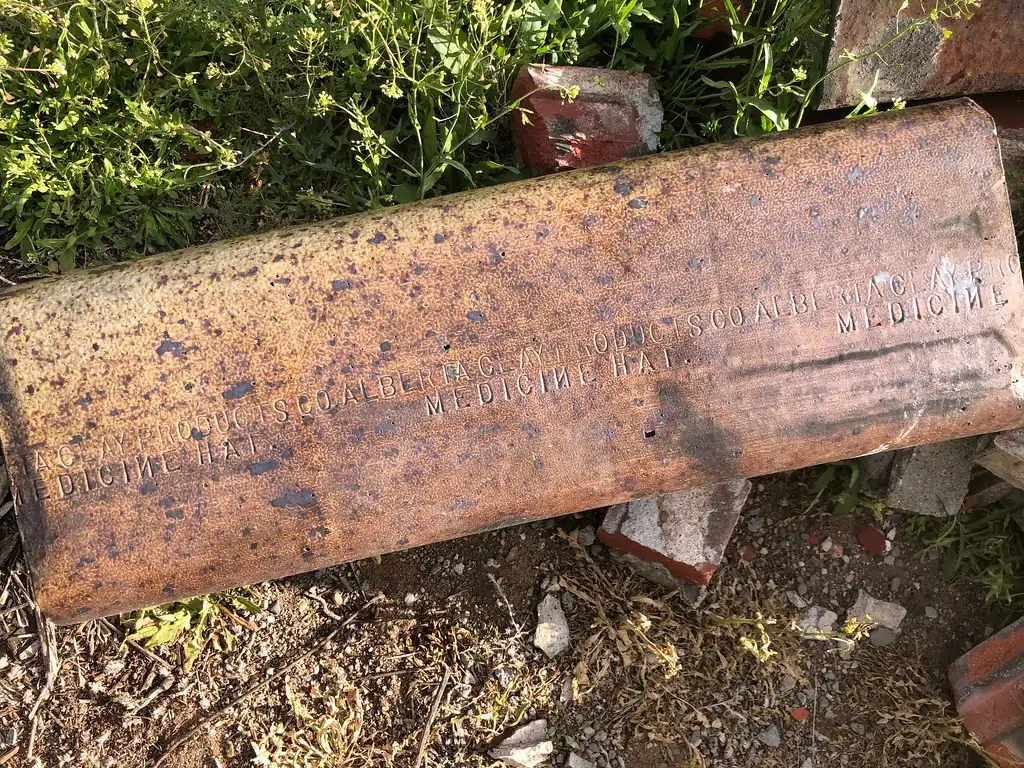
Clay tile is the traditional liner in older homes. HomeGuide says clay tiles can crack under high heat, and that replacing them is labor-intensive because the chimney walls must be opened. In an old clay-lined chimney you usually have three choices:
- A new stainless steel liner, which HomeGuide says may fit inside the old clay tiles without removing them.
- A cast-in-place liner poured over the old clay tiles, which fills the gaps and cracks and adds strength (HomeGuide).
- New clay tile, which means opening the chimney walls and taking the old tiles out first.
Houses in historic districts can also need approval for visible chimney work. Our guide to historic homes in Essex County covers those rules.
Sources, read October 23, 2026: Census Bureau ACS 2020-2024 DP04 (built before 1960 is the sum of the 1950-1959, 1940-1949 and 1939-or-earlier counts over all housing units); HomeGuide.
The Cheapest Way to Line a Chimney
The cheapest liner is aluminum, at $625 to $2,250 installed (HomeGuide), but it only suits medium-heat gas appliances and HomeGuide puts its life at 5 to 15 years. A ceramic coating costs $1,000 to $5,000 and only seals light damage in a liner that is still sound. DIY stainless kits sell for $300 to $800 without insulation (HomeGuide), but HomeGuide warns that a wrong-size liner or a bad install can cause a fire or carbon monoxide exposure. For most chimneys, the cheapest safe answer is the liner the inspection says fits your appliance, priced by more than one installer.
Source, read October 23, 2026: HomeGuide.
Does Insurance Pay?
It depends on what damaged the liner. The Insurance Information Institute says a standard homeowners policy pays to repair damage from fire, hurricane, hail, lightning and the other disasters it lists, and does not pay for routine wear and tear. A clay liner that cracked slowly over decades sounds like wear and tear. Your own policy decides, so read it or ask your agent. Our guide to the insurance claim process in New Jersey walks through the steps.
Source, read October 23, 2026: Insurance Information Institute, what is covered by standard homeowners insurance.
What a Written Chimney Liner Quote Should List
- The liner material, single- or double-wall, and diameter.
- The length, and which flue it goes in if there is more than one.
- Insulation: included or not, and why.
- Removing the old liner or tiles, if needed.
- The connection at the bottom, the top plate and the cap.
- The inspection and cleaning before the job, and the camera footage.
- Any crown, brick or flashing repairs found along the way.
- Who handles a permit, if the town requires one, and its fee.
- The installer's workmanship terms in writing, and how long the price is held.
Before you sign with anyone, check the contractor's state registration. Our guide to the New Jersey contractor lookup shows how.
Questions Homeowners Ask About Chimney Liner Cost
What is the average cost of replacing a chimney liner?
Angi puts chimney liner installation at $2,500 on average, with most homeowners paying $1,500 to $5,000 (updated September 2026). HomeGuide puts relining, meaning taking out the old liner and putting in a new steel one, at $1,200 to $4,600 (February 2026). These are national figures, not R&E Roofing's price.
Do you need a permit to install a chimney liner in New Jersey?
New Jersey's construction code lists the application of liquid applied lining material inside an existing chimney as ordinary maintenance, which needs no permit, inspection or notice (N.J.A.C. 5:23-2.7(c)5.x). The code does not name stainless steel, cast-in-place or new clay tile liners on that list, and says the list is not complete. Ask your town's construction office before the work starts, and ask the installer who will handle any permit. HomeGuide puts a liner permit and its inspection at $100 to $150 or more nationally.
What is the cheapest way to line a chimney?
Aluminum is the cheapest installed liner, at $625 to $2,250 (HomeGuide), but HomeGuide and Fixr both say it only suits medium-heat gas appliances, and HomeGuide puts its life at 5 to 15 years. A ceramic coating such as Thermocrete ($1,000 to $5,000) only seals light damage in a liner that is still sound; HomeGuide says it does not replace a liner in an unlined chimney.
Will homeowners insurance cover a cracked chimney liner?
It depends on what cracked it. The Insurance Information Institute says a standard homeowners policy pays to repair damage from fire, hurricane, hail, lightning and the other disasters listed in your policy, and does not pay for routine wear and tear. A liner that wore out over decades sounds like wear and tear. Read your own policy or ask your agent before you file.
How much does a chimney liner cost per foot?
HomeGuide's February 2026 figures for stainless steel installed are $35 to $70 a foot for single-wall and $50 to $160 a foot for double-wall. Materials alone run $20 to $90 a foot for stainless steel, $5 to $30 for aluminum, $6 to $15 for clay and $40 to $120 for cast-in-place. Insulation wrap adds $8 to $15 a foot.
How often does a chimney need to be relined?
HomeGuide says to replace a liner every 15 to 20 years. Angi says liners last 15 to 25 years on average, but the material decides it: aluminum may last only 5 years, stainless steel 15 to 20, and cast-in-place or clay tile up to 50 with proper care.
Does a gas water heater need a chimney liner?
Not always: HomeGuide says a brick chimney venting a furnace or water heater may not need one. The common catch comes after a furnace swap. The Minnesota Department of Commerce explains that when a new high-efficiency furnace is vented out through the wall, the old water heater is left alone in the masonry chimney and may not create enough draft, which raises the risk of exhaust spilling back into the house. The Chimney Safety Institute of America recommends a Level 2 inspection whenever an appliance is replaced with a different type, fuel or efficiency.
Are chimney liners worth it?
HomeGuide and Angi both point to yes. HomeGuide says a liner reduces chimney fire risk, improves heating efficiency, keeps carbon monoxide out of the home and protects the masonry walls, and that most local and state fire codes require one for fireplaces and wood-burning stoves. Angi says a chimney without a liner is not recommended. Against that, Angi puts the average job at $2,500 (most pay $1,500 to $5,000).
Can you put a liner in an old chimney?
Yes, in most cases. HomeGuide says a new stainless steel liner may fit inside the old clay tiles, a cast-in-place liner can be poured over clay tiles to fill cracks and add strength, and relining with new clay means opening the chimney walls to take the old tiles out. The stack itself must be sound first: HomeGuide says relining requires the masonry to be in great condition and puts re-bricking a stack above the roofline at $1,000 to $3,500. A Level 2 camera inspection shows which option fits.
How long does it take to install a chimney liner?
HomeGuide says 4 to 8 hours on average for one flue. Several flues, a long chimney or repairs found along the way can stretch it to several days.
FAQ sources, read October 23, 2026: Angi; HomeGuide; Fixr; Insurance Information Institute; Minnesota Department of Commerce; Chimney Safety Institute of America; N.J.A.C. 5:23-2.7.